
PU Stone vs. MCM Flexible Stone: Which Is Better for Your Project?
Compare PU stone vs. MCM flexible stone to understand their key differences in materials, design flexibility, durability, and applications. Discover which wall cladding solution best suits your interior, exterior, or commercial project.
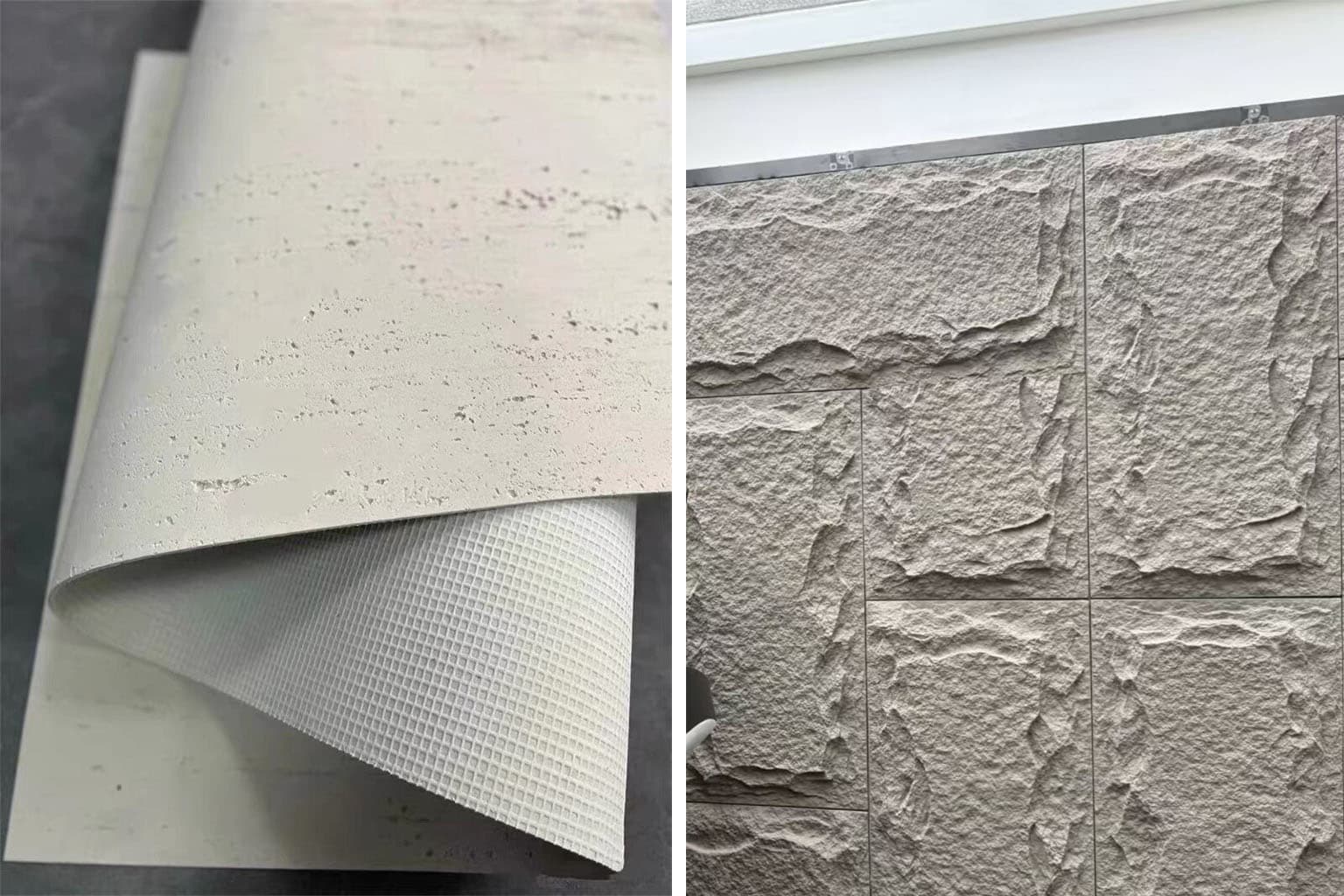
When choosing PU stone or MCM flexible stone for wall cladding, it's important to consider material composition, design flexibility, installation requirements, and intended applications.
Both materials offer lightweight alternatives to traditional stone, but each has different advantages for interior and exterior projects.
Both offer lightweight alternatives to traditional stone, but they differ in material composition, design flexibility, and application possibilities.
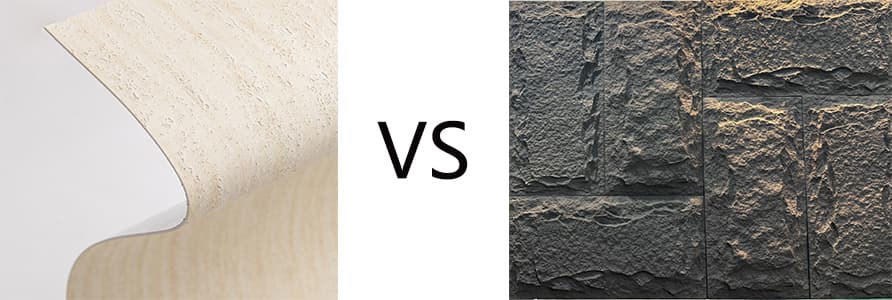
So, which material is right for your project? Let's compare their key features.
PU Stone vs. MCM Flexible Stone: Materials and Key Features
PU Stone:
PU stone is made primarily from polyurethane-based materials and designed to replicate the appearance of natural stone.
It is lightweight and often chosen for decorative walls where installation efficiency and budget are important considerations.
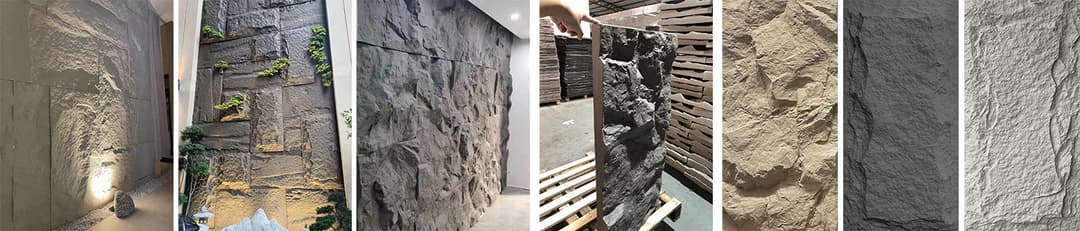
Lightweight design: Helps reduce wall load compared with traditional stone.
Decorative appeal: Available in a variety of stone-inspired textures and finishes.
Installation efficiency: Can simplify installation, depending on the product and wall conditions.
Application: Commonly used for interior feature walls and other applications specified by the manufacturer.
MCM Flexible Stone:
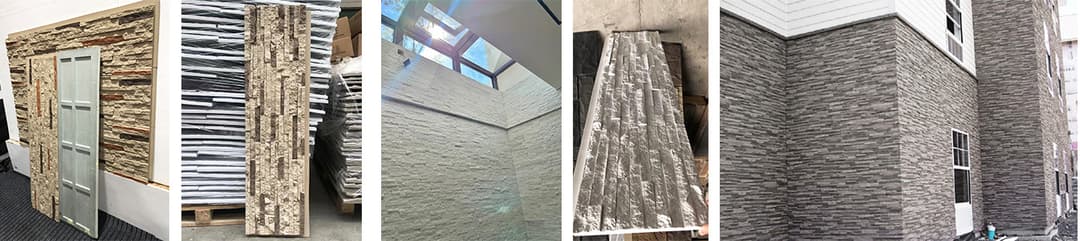
MCM flexible stone is typically made from mineral-based materials combined with other components, depending on the product formulation.
It combines a stone-inspired appearance with a lightweight, flexible structure.
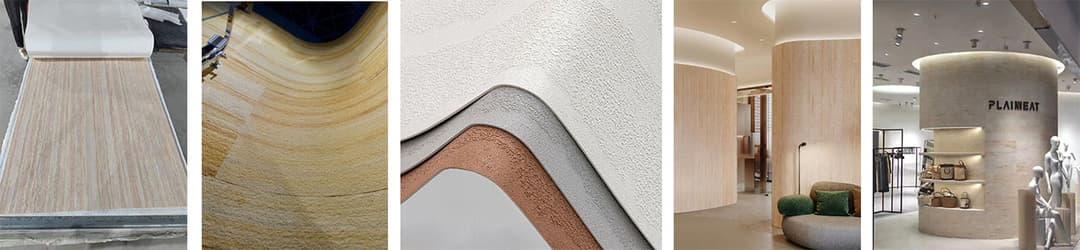
(3D-printed color mcm travertine soft tiles) ↑
Flexible design: Suitable for selected curved surfaces, columns, and other architectural details.
Versatile applications: Can be used for interior and exterior wall cladding, subject to product specifications.
Natural stone textures: Available in finishes inspired by travertine, cement, and other architectural materials.
Project flexibility: Offers design possibilities for residential, hospitality, and commercial projects.
2. How to Choose the Right Material
The best choice depends on your project requirements, rather than one material being universally better than the other.
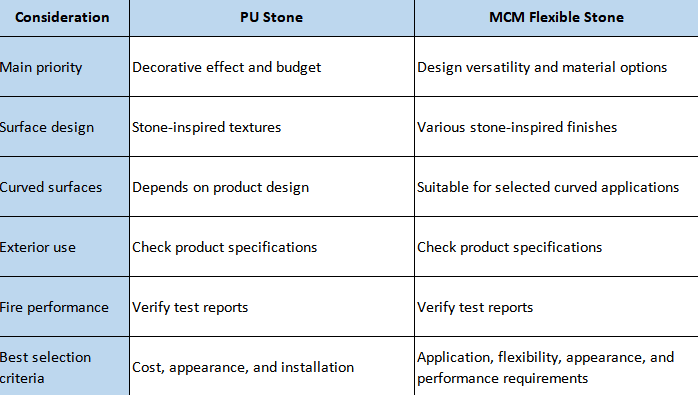
3. Choosing Wall Cladding for Interior and Exterior Projects
Choose PU stone: if your priority is a lightweight decorative finish, a specific stone-like appearance, and an installation solution that fits your budget and project requirements.
Consider MCM flexible stone: if you're looking for lightweight flexible stone panels that offer flexible shaping options and versatile design possibilities.
These MCM flexible stone panels are suitable for a variety of applications, including flexible stone wall cladding for interior and exterior projects, depending on product specifications.
For hotels, commercial spaces, residential developments, and facade projects, evaluate the material based on the desired finish, installation conditions, and technical requirements.
Conclusion
PU stone and MCM flexible stone each offer advantages for different decorative projects. The right choice depends on your design goals, budget, installation conditions, and required performance.
Looking for the right wall cladding for your next project?
Contact us to explore our MCM flexible stone finishes, request samples, and discuss your project requirements with our team.
Continue reading
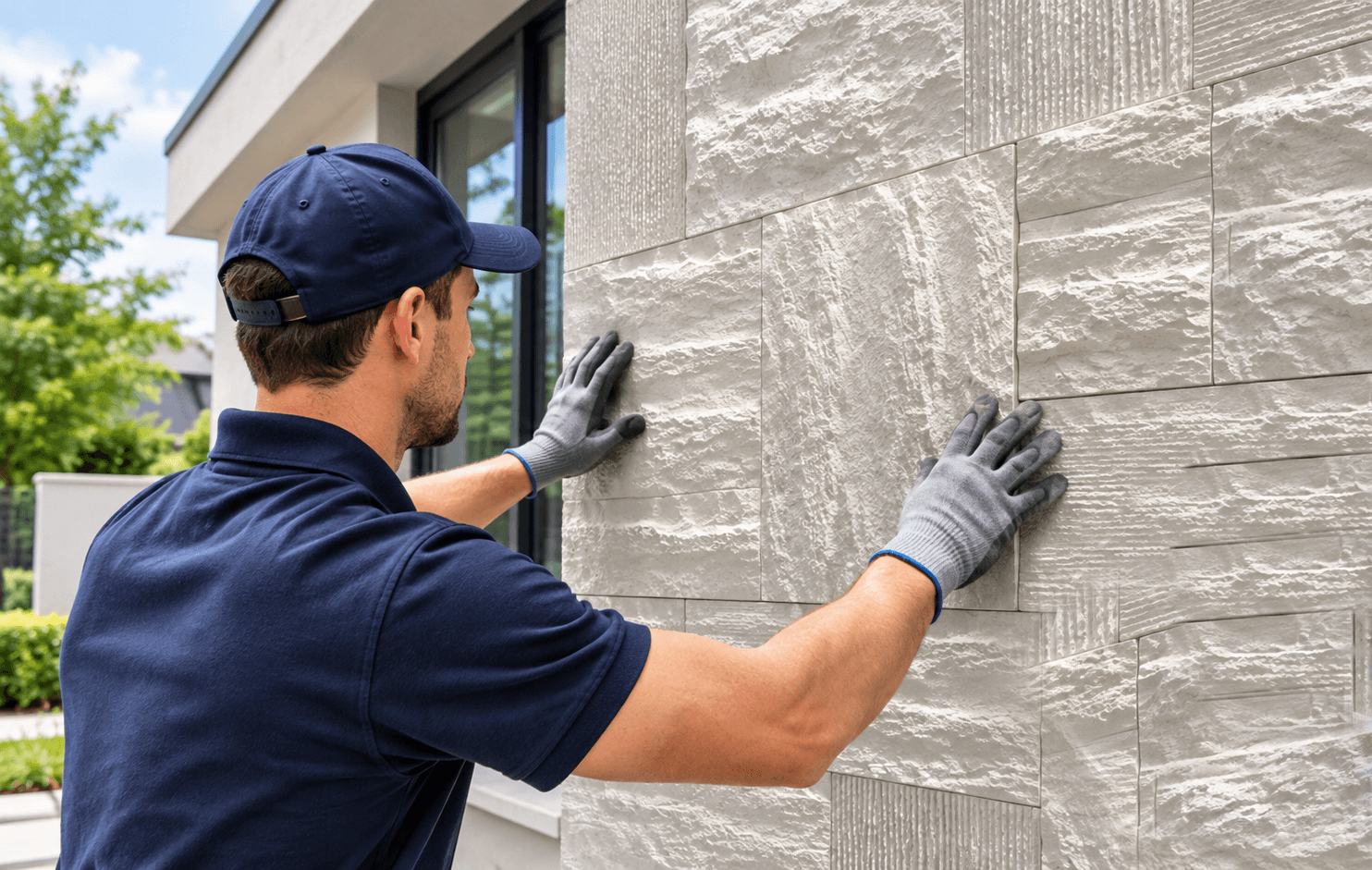
How to Install PU Stone Panels on Exterior Walls: A Practical Step-by-Step Guide
Learn how to install PU stone panels on exterior walls. Explore wall preparation, construction adhesive selection, panel installation, and finishing tips.
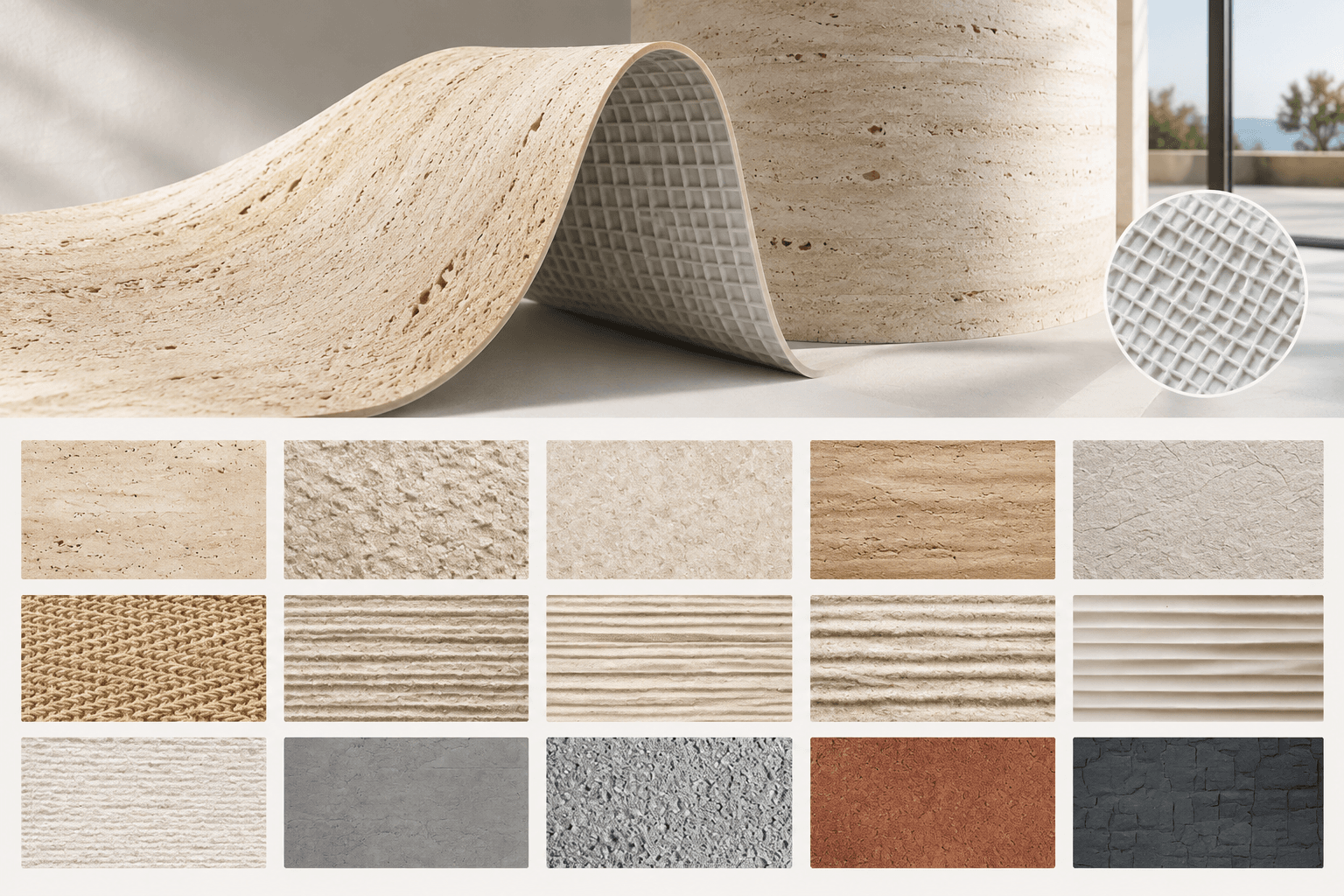
What Is MCM Flexible Stone? A Guide to Soft Stone Wall Cladding
Discover MCM Flexible Stone, a lightweight and flexible wall cladding solution with natural stone textures, ideal for interior, exterior and curved surfaces.
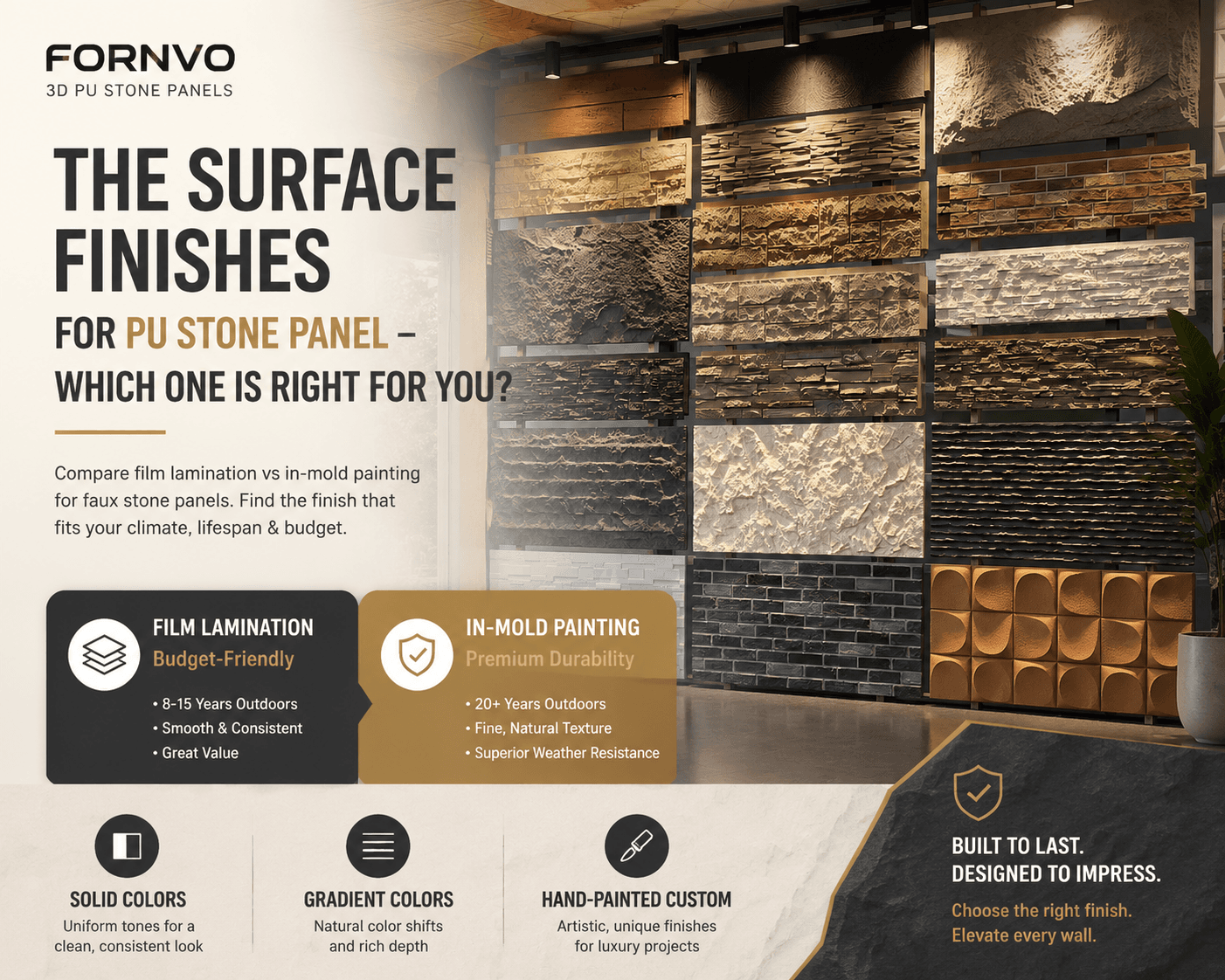
The surface finishes for PU Stone Panel – Which One Is Right for You?
Compare film lamination vs in-mold painting for faux stone panels. Learn which finish lasts 20+ years outdoors and which fits your budget. Quick, clear, actionable.